
In today’s digital landscape, businesses constantly face a critical decision: should they invest in Search Engine Optimization (SEO) or Pay-Per-Click (PPC) advertising? Both are powerful digital marketing strategies designed to drive traffic, generate leads, and increase revenue—but they operate in fundamentally different ways. Understanding their strengths, limitations, and best-use scenarios is essential for making an informed decision.
What is SEO?
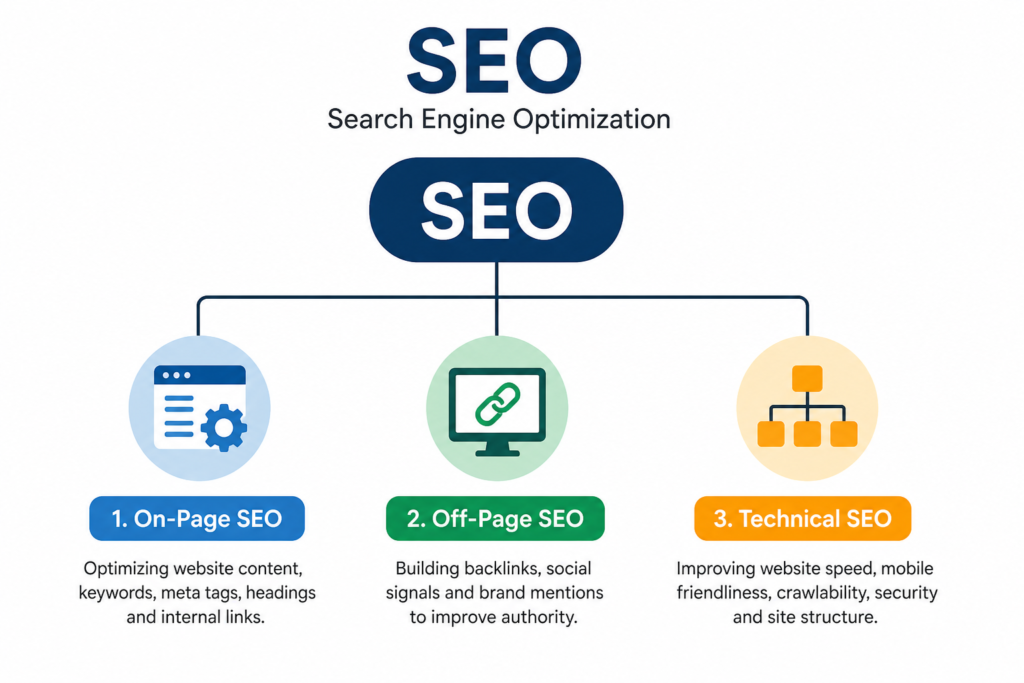
Search Engine Optimization (SEO) is the process of optimizing a website to rank organically on search engine results pages (SERPs). It involves improving website structure, content quality, keyword usage, and backlink profile to increase visibility for relevant search queries.
SEO is a long-term strategy. It may take weeks or even months to see significant results, but once your site ranks well, it can generate consistent, cost-effective traffic over time. SEO also builds credibility—users tend to trust organic results more than paid ads.
Key benefits of SEO:
- Long-term, sustainable traffic
- Higher trust and credibility
- Better ROI over time
- Improved user experience and website quality
Challenges of SEO:
- Slow results
- Requires ongoing effort and expertise
- Algorithm changes can impact rankings
What is PPC?
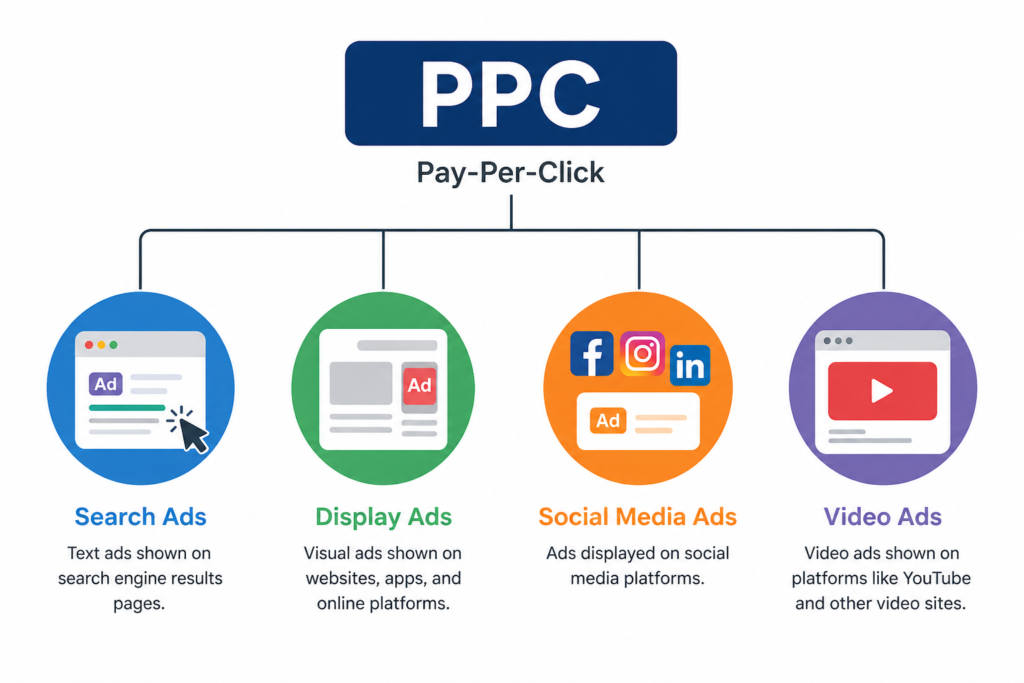
Pay-Per-Click (PPC) is a paid advertising model where you pay each time someone clicks on your ad. Platforms like Google Ads allow businesses to bid on keywords and display ads at the top of search results.
PPC offers immediate visibility. Unlike SEO, you don’t have to wait months—your ads can appear on the first page within hours of launching a campaign. This makes PPC especially useful for new businesses, product launches, or time-sensitive promotions.
Key benefits of PPC:
- Instant traffic and results
- Precise targeting (location, demographics, behavior)
- Full control over budget and campaigns
- Easy to measure and optimize
Challenges of PPC:
- Costs can add up quickly
- Traffic stops when you stop paying
- Requires careful management to avoid wasted spend
SEO vs PPC: A Comparative Analysis
When comparing SEO and PPC, it’s important to consider your business goals, timeline, and budget.
1. Speed of Results
PPC is the clear winner when it comes to speed. You can start driving traffic almost immediately. SEO, on the other hand, is a gradual process that builds momentum over time.
2. Cost Efficiency
SEO typically provides a better return on investment in the long run because organic traffic is essentially “free” after the initial investment. PPC requires continuous spending, making it more expensive over time.
3. Sustainability
SEO delivers sustainable growth. Once you achieve strong rankings, you can maintain traffic with relatively lower effort. PPC traffic disappears the moment your budget runs out.
4. Credibility and Trust
Users often skip ads and prefer organic results, perceiving them as more trustworthy. SEO helps build authority and brand credibility.
5. Targeting and Control
PPC offers advanced targeting options and immediate control over campaigns. You can test different keywords, audiences, and ad copies quickly. SEO is less flexible in the short term.
When Should You Choose SEO?
SEO is ideal if:
- You’re building a long-term digital presence
- You have time to invest in growth
- You want to reduce dependency on paid ads
- You aim to build authority in your niche
For example, a blog, service-based business, or e-commerce store looking for consistent traffic should prioritize SEO.
When Should You Choose PPC?
PPC is the right choice if:
- You need immediate results
- You’re launching a new product or service
- You want to test keywords or market demand
- You’re running seasonal or time-sensitive campaigns
Startups or businesses entering competitive markets often use PPC to gain quick visibility.
The Smart Approach: Combining SEO and PPC
Rather than choosing one over the other, the most effective strategy is often a combination of both. PPC can generate quick wins and valuable data, while SEO builds a strong foundation for long-term success.
For instance, you can use PPC campaigns to identify high-converting keywords and then optimize your website content around those keywords for SEO. Similarly, SEO can reduce your reliance on paid ads over time, lowering your overall marketing costs.